Welcome to the world of cloud-powered innovation! If you’re exploring digital transformation, chances are you’ve encountered the term ‘azure apps’. These cloud-based applications, built on Microsoft Azure, are revolutionizing how businesses develop, deploy, and scale software. Let’s dive into everything you need to know.




What Are Azure Apps and Why They Matter

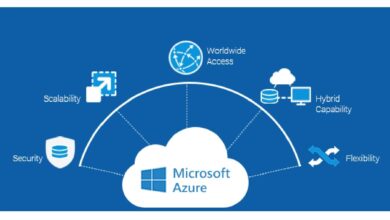
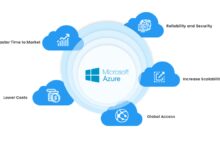
Azure apps refer to applications developed, hosted, and managed using Microsoft Azure, a comprehensive cloud computing platform. These apps span from simple web applications to complex enterprise-grade systems, all leveraging the scalability, security, and global reach of the Azure cloud infrastructure. With over 95% of Fortune 500 companies using Azure, it’s clear that Azure apps are not just a trend—they’re a strategic necessity.
Defining Azure Apps in Modern IT
Azure apps are software solutions that run on Microsoft’s cloud platform. They can be web apps, mobile backends, APIs, microservices, or serverless functions. What sets them apart is their integration with Azure’s ecosystem—offering seamless access to databases, AI tools, monitoring, and DevOps pipelines. Whether you’re building a startup MVP or a multinational enterprise system, Azure apps provide the foundation.
- Run on scalable cloud infrastructure
- Support multiple programming languages (Node.js, Python, .NET, Java)
- Integrate with Azure DevOps for CI/CD automation
“Azure is not just a cloud platform; it’s a complete application ecosystem.” — Microsoft Azure Documentation
Types of Azure Apps
Understanding the different types of Azure apps helps in choosing the right architecture for your needs. The main categories include:
- Web Apps: Host websites and web applications using Azure App Service. Ideal for CMS platforms, e-commerce, and SaaS products. Learn more at Azure App Service.
- Mobile Apps: Backend services for mobile applications with offline sync, push notifications, and authentication.
- API Apps: Expose RESTful APIs securely with built-in Swagger support and Azure API Management integration.
- Logic Apps: Automate workflows without writing code—perfect for integrating SaaS platforms like Salesforce or Office 365.
- Function Apps: Run event-driven, serverless code in response to triggers like HTTP requests or database changes.
Each type serves a unique purpose but shares common benefits: high availability, automatic scaling, and enterprise-grade security.
Core Benefits of Using Azure Apps
Organizations adopt Azure apps not just for technological superiority but for tangible business outcomes. From cost savings to faster time-to-market, the advantages are compelling and measurable.
Scalability and Elasticity
One of the most powerful features of Azure apps is their ability to scale automatically based on demand. Whether you’re experiencing a sudden traffic spike during a product launch or seasonal fluctuations, Azure apps can scale up or down seamlessly.
- Vertical scaling: Increase instance size (CPU, RAM)
- Horizontal scaling: Add more instances to handle load
- Auto-scaling rules based on CPU, memory, or custom metrics
This elasticity ensures optimal performance without over-provisioning resources, leading to cost efficiency. For example, an e-commerce site can scale up during Black Friday and scale back afterward—paying only for what it uses.
Global Reach and High Availability
With data centers in over 60 regions worldwide, Azure enables apps to be deployed close to users, reducing latency and improving user experience. Azure apps can be configured for geo-redundancy, ensuring uptime even during regional outages.
- Deploy apps across multiple regions for disaster recovery
- Use Azure Traffic Manager for intelligent DNS-based load balancing
- Leverage Azure Content Delivery Network (CDN) for faster static content delivery
High availability is further enhanced through built-in SLAs (Service Level Agreements) of up to 99.95% for App Services, giving businesses confidence in their uptime commitments.
How Azure Apps Integrate with DevOps
Modern software development relies on continuous integration and continuous deployment (CI/CD). Azure apps are deeply integrated with DevOps practices, enabling teams to deliver updates faster and with higher quality.
CI/CD Pipelines with Azure DevOps
Azure DevOps provides a suite of tools for planning, building, testing, and deploying Azure apps. Developers can automate the entire pipeline—from code commit to production deployment—using YAML-based workflows.
- Automated builds triggered by Git commits
- Unit and integration testing in isolated environments
- Staged deployments (dev → staging → production)
For example, a team can set up a pipeline where every pull request triggers a build and test run, and upon merge to main, the app is automatically deployed to a staging environment for QA. This reduces human error and accelerates release cycles.
GitHub Actions Integration
Not using Azure DevOps? No problem. Azure apps work seamlessly with GitHub Actions, allowing developers to build and deploy directly from GitHub repositories.
- Deploy web apps using pre-built GitHub Actions workflows
- Trigger deployments on specific branches or tags
- Secure secrets management with GitHub Secrets
This flexibility makes Azure apps accessible to open-source projects and teams already invested in the GitHub ecosystem. Check out GitHub’s official Azure deployment guide for setup instructions.
“The integration between GitHub and Azure has transformed how we deploy our apps—faster, safer, and more reliable.” — DevOps Engineer, Tech Startup
Security and Compliance in Azure Apps
In an era of increasing cyber threats and regulatory requirements, security is non-negotiable. Azure apps come with robust built-in security features and compliance certifications that meet global standards.
Built-in Security Features
Microsoft invests over $1 billion annually in cybersecurity, and this commitment is reflected in Azure’s security architecture. Azure apps benefit from:
- Network security groups (NSGs) to control inbound and outbound traffic
- Web Application Firewall (WAF) to protect against common threats like SQL injection and XSS
- Managed identities to avoid storing credentials in code
- Encryption at rest and in transit by default
Additionally, Azure Security Center (now part of Microsoft Defender for Cloud) provides unified security management and advanced threat protection across hybrid cloud workloads.
Compliance and Certifications
Azure holds more compliance certifications than any other cloud provider, including GDPR, HIPAA, ISO 27001, SOC 1/2/3, and FedRAMP. This makes Azure apps ideal for industries with strict regulatory requirements such as healthcare, finance, and government.
- Automated compliance assessments
- Audit logs and activity tracking via Azure Monitor
- Data residency controls to meet local regulations
For organizations undergoing audits, Azure’s compliance dashboard provides real-time visibility into their compliance posture, reducing preparation time and risk.
Cost Management and Pricing Models
One of the biggest concerns for businesses adopting cloud solutions is cost predictability. Azure apps offer flexible pricing models that allow organizations to optimize spending based on usage patterns.
Pay-as-You-Go vs. Reserved Instances
Azure operates on a consumption-based model, meaning you only pay for the resources you use. However, there are options to reduce costs further:
- Pay-as-you-go: Ideal for variable workloads and startups. No upfront commitment.
- Reserved Instances: Commit to 1 or 3 years for up to 72% discount on compute costs.
- Spot Instances: Use unused Azure capacity at up to 90% off—great for fault-tolerant, non-critical workloads.
Tools like the Azure Pricing Calculator help estimate costs before deployment, while Azure Cost Management provides detailed insights and budget alerts.
Monitoring and Optimization Tools
To avoid unexpected bills, Azure offers tools that help monitor and optimize resource usage:
- Azure Advisor: Provides personalized recommendations for cost savings, performance, and security
- Azure Monitor: Tracks app performance and resource utilization
- Auto-shutdown schedules for development environments
For example, Azure Advisor might suggest switching to a lower-tier database during off-peak hours or deleting unused resources—simple changes that can lead to significant savings.
Real-World Use Cases of Azure Apps
Theoretical benefits are great, but real-world applications prove the value of Azure apps. Let’s look at how different industries are leveraging them.
E-Commerce Platforms
Online retailers use Azure apps to handle traffic surges during sales events. For instance, a fashion brand launched a limited-edition collection and used Azure App Service with auto-scaling to manage a 500% increase in traffic without downtime. Integration with Azure CDN ensured fast image loading, improving conversion rates.
- Scalable backend for product catalogs and shopping carts
- AI-powered recommendation engines using Azure Cognitive Services
- Secure payment processing with Azure API Management
Healthcare Applications
Healthcare providers use Azure apps to build HIPAA-compliant patient portals and telemedicine platforms. A hospital network deployed a mobile app backend on Azure Mobile Apps, enabling secure access to medical records and appointment scheduling.
- End-to-end encryption for patient data
- Integration with electronic health record (EHR) systems
- AI-driven diagnostics using Azure Machine Learning
The platform’s compliance with healthcare regulations ensured patient trust and regulatory approval.
Getting Started with Azure Apps: A Step-by-Step Guide
Ready to build your first Azure app? Here’s a practical guide to get you started.
Setting Up Your Azure Account
Begin by creating a free Azure account at azure.microsoft.com/free. The free tier includes $200 in credits for 30 days and access to over 25 always-free services—perfect for learning and prototyping.
- Sign up with a Microsoft account or work/school email
- Verify identity with a credit card (no charges unless you upgrade)
- Access the Azure portal (portal.azure.com)
Once logged in, you can explore services, launch templates, and start building immediately.
Deploying Your First Web App
Let’s deploy a simple web app using Azure App Service:
- Navigate to App Services in the Azure portal
- Click + Create and choose your subscription and resource group
- Select a runtime stack (e.g., .NET, Node.js, Python)
- Choose a pricing tier (start with Free or Shared for testing)
- Deploy code from local machine, GitHub, or Docker
- Click Review + Create and then Create
Within minutes, your app will be live with a default URL like yourapp.azurewebsites.net. You can later customize the domain and enable HTTPS.
“The first deployment took less than 10 minutes. It was easier than I expected.” — New Azure User
Future Trends Shaping Azure Apps
The cloud landscape is evolving rapidly, and Azure apps are at the forefront of innovation. Emerging technologies are shaping the next generation of cloud applications.
AI and Machine Learning Integration
Azure apps are increasingly incorporating AI capabilities through services like Azure Cognitive Services and Azure Machine Learning. Developers can add features like image recognition, natural language processing, and predictive analytics without deep AI expertise.
- Embed pre-built AI models into apps (e.g., sentiment analysis in customer feedback)
- Train custom models using Azure ML Studio
- Deploy models as REST APIs for real-time inference
For example, a customer support app can use AI to automatically categorize tickets and suggest responses, improving efficiency.
Edge Computing and IoT
As IoT devices proliferate, Azure apps are extending to the edge with Azure IoT Edge. This allows apps to run locally on devices while syncing data to the cloud.
- Process sensor data in real-time on factory floors
- Reduce latency for autonomous systems
- Operate offline when internet connectivity is unreliable
This hybrid approach combines the power of the cloud with the responsiveness of edge computing, opening new possibilities in manufacturing, logistics, and smart cities.
What are Azure apps used for?
Azure apps are used to build, host, and manage web, mobile, and enterprise applications on Microsoft’s cloud platform. They support a wide range of use cases including e-commerce, healthcare systems, automation workflows, and AI-powered solutions.
How much do Azure apps cost?
Costs vary based on usage, but Azure offers a free tier with $200 credit for 30 days. Pricing depends on factors like compute, storage, bandwidth, and services used. You can estimate costs using the Azure Pricing Calculator.
Can I deploy existing apps to Azure?
Yes, Azure supports migration of existing applications through tools like Azure Migrate. You can rehost (lift-and-shift), refactor, or rearchitect apps to take full advantage of cloud-native features.
Is Azure better than AWS for apps?
Both platforms are strong, but Azure excels in integration with Microsoft products (e.g., Windows Server, Active Directory, Office 365), hybrid cloud scenarios, and enterprise support. The choice depends on your existing infrastructure and business needs.
How do I secure my Azure app?
Use Azure’s built-in security features like managed identities, Web Application Firewall, encryption, and role-based access control (RBAC). Regularly apply updates and follow security best practices from Microsoft Defender for Cloud.
Microsoft Azure apps are more than just cloud-hosted software—they represent a complete ecosystem for innovation, scalability, and security. From startups to Fortune 500 companies, organizations are leveraging Azure apps to build resilient, intelligent, and globally accessible applications. With powerful integration capabilities, robust DevOps support, and forward-looking technologies like AI and edge computing, Azure apps are shaping the future of digital transformation. Whether you’re just starting out or scaling an existing system, Azure provides the tools and infrastructure to succeed in today’s competitive landscape.
Further Reading: