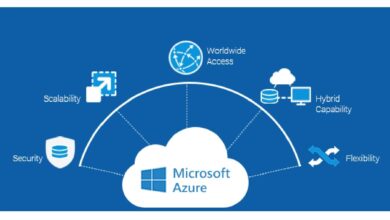
Logging into the Azure portal is your first step toward managing cloud resources with ease. Whether you’re a developer, administrator, or business owner, mastering the azure portal log in process is essential for seamless cloud operations. Let’s dive into everything you need to know.





Azure Portal Log In: Understanding the Basics

The Microsoft Azure portal is a web-based interface that allows users to manage their cloud services, virtual machines, storage, networking, and more. To begin using these powerful tools, you must first complete the azure portal log in process successfully. This step is foundational for accessing your cloud environment.
What Is the Azure Portal?
The Azure portal, accessible at portal.azure.com, is a unified console for managing all Azure services. It provides a graphical user interface (GUI) that simplifies complex cloud management tasks. From deploying applications to monitoring performance, the portal serves as the central hub for Azure users.
- It supports role-based access control (RBAC) for team collaboration.
- Offers real-time monitoring and alerts.
- Provides templates and automation tools like Azure Resource Manager (ARM).
Why Is Logging In Crucial?
Without a successful azure portal log in, you cannot access your subscriptions, resources, or billing information. Authentication ensures that only authorized users interact with sensitive data and infrastructure. This security layer protects against unauthorized access and potential breaches.
“The Azure portal is the gateway to your cloud journey—secure access is non-negotiable.” — Microsoft Cloud Documentation
Step-by-Step Azure Portal Log In Process
Performing an azure portal log in is straightforward if you follow the correct sequence. Whether you’re using a personal Microsoft account or an organizational account, the steps are largely similar but differ slightly based on authentication type.
Step 1: Navigate to the Official Login Page
Open your preferred web browser and go to https://portal.azure.com. Always ensure you’re on the legitimate Microsoft domain to avoid phishing attempts. Never use third-party links or search engine ads claiming to lead to the Azure portal.
- Supported browsers include Chrome, Edge, Firefox, and Safari.
- Enable cookies and JavaScript for full functionality.
- Use HTTPS to ensure encrypted communication.
Step 2: Enter Your Credentials
On the login screen, input your email address or phone number associated with your Microsoft or Azure Active Directory (Azure AD) account. If you’re logging in for the first time, you may need to register your account.
- Personal accounts use @outlook.com, @hotmail.com, or @live.com.
- Work or school accounts are typically provided by your organization (e.g., user@company.com).
- Ensure correct capitalization and no extra spaces.
Step 3: Complete Multi-Factor Authentication (MFA)
After entering your password, you may be prompted for multi-factor authentication. This could include:
- Verification code from an authenticator app (e.g., Microsoft Authenticator).
- SMS or phone call verification.
- Biometric confirmation on trusted devices.
MFA significantly enhances security during the azure portal log in process by adding an extra verification layer.
Common Azure Portal Log In Issues and Fixes
Even experienced users encounter problems when trying to perform an azure portal log in. Understanding common issues and their solutions can save time and frustration.
Issue 1: ‘Incorrect Password’ Error
This is one of the most frequent login problems. Causes include:
- Typographical errors in the password field.
- Caps Lock being enabled.
- Using an outdated password after a reset.
Solution: Click ‘Forgot password?’ on the login page to reset it. Follow the prompts to verify your identity via email, phone, or security questions.
Issue 2: Account Locked or Suspended
If you see messages like ‘Your account has been locked’ or ‘Access denied,’ your account might be temporarily suspended due to multiple failed attempts or policy violations.
- Wait 15–30 minutes before retrying.
- Contact your Azure administrator if it’s a work account.
- Check Azure Service Health for any outages.
Issue 3: Browser or Cache Problems
Sometimes, the issue isn’t with credentials but with the browser itself. Corrupted cache, disabled cookies, or outdated versions can block the azure portal log in.
- Clear browser cache and cookies.
- Try incognito/private browsing mode.
- Update your browser to the latest version.
- Test on a different device or network.
“Over 60% of Azure login issues are resolved by simply clearing the browser cache.” — Microsoft Support Forums
Security Best Practices During Azure Portal Log In
Security should be a top priority every time you perform an azure portal log in. Cyber threats like phishing, credential stuffing, and session hijacking are real risks.
Enable Multi-Factor Authentication (MFA)
MFA is one of the most effective ways to secure your Azure account. Even if someone obtains your password, they won’t be able to log in without the second factor.
- Use the Microsoft Authenticator app for push notifications.
- Set up backup methods like SMS or hardware tokens.
- Enforce MFA for all users in your organization via Azure AD policies.
Use Conditional Access Policies
Conditional Access in Azure AD allows you to define rules that control how and when users can log in. For example:
- Block logins from unfamiliar locations.
- Require compliant devices for access.
- Restrict access during non-business hours.
These policies enhance security during the azure portal log in without compromising usability.
Avoid Public Wi-Fi for Login Sessions
Logging into the Azure portal over public Wi-Fi networks increases the risk of man-in-the-middle attacks. Always use a secure, private connection or a trusted Virtual Private Network (VPN).
- Never save passwords on public computers.
- Log out explicitly after each session.
- Monitor sign-in logs in Azure AD for suspicious activity.
Azure Portal Log In for Organizations: Managing User Access
In enterprise environments, the azure portal log in process involves more than individual access—it’s about identity management, permissions, and compliance.
Understanding Azure Active Directory (Azure AD)
Azure AD is Microsoft’s cloud-based identity and access management service. It integrates with the Azure portal to authenticate users and manage access to resources.
- Supports single sign-on (SSO) across multiple applications.
- Enables synchronization with on-premises Active Directory via Azure AD Connect.
- Provides identity protection with risk-based policies.
Role-Based Access Control (RBAC)
RBAC allows administrators to assign permissions based on job roles. This principle of least privilege ensures users only have access to what they need.
- Common roles: Owner, Contributor, Reader.
- Custom roles can be created for specific needs.
- Assign roles at subscription, resource group, or individual resource levels.
Proper RBAC configuration streamlines the azure portal log in experience while maintaining security.
Guest User Access and B2B Collaboration
Organizations often collaborate with external partners. Azure AD B2B (Business-to-Business) allows secure guest access to the Azure portal.
- Invite users via email to join your directory.
- Assign limited permissions to prevent overexposure.
- Monitor guest activity through audit logs.
“Azure AD B2B reduces onboarding time for external collaborators by up to 70%.” — Microsoft Case Studies
Alternative Methods for Azure Portal Access
While the standard web-based azure portal log in is the most common method, there are alternative ways to access Azure resources—especially useful for automation and scripting.
Azure CLI (Command-Line Interface)
The Azure CLI is a cross-platform tool for managing Azure resources through commands. You can authenticate using:
- Interactive login:
az login - Service principals for automated scripts.
- Managed identities for secure access from Azure resources.
After logging in via CLI, you can manage resources without opening the portal.
Azure PowerShell
Azure PowerShell is another powerful tool, especially for Windows administrators. Use the Connect-AzAccount cmdlet to authenticate.
- Supports MFA and certificate-based authentication.
- Integrates with existing PowerShell scripts.
- Ideal for bulk operations and automation.
Mobile Access via Azure App
Microsoft offers the Azure mobile app for iOS and Android. It allows you to monitor resources, receive alerts, and even perform basic management tasks.
- Secure login with biometrics or PIN.
- View dashboards and metrics on the go.
- Receive push notifications for critical events.
The app supports the full azure portal log in experience in a mobile-optimized format.
Monitoring and Auditing Azure Portal Log In Activity
After users log in, it’s crucial to monitor their activity. This helps detect anomalies, enforce compliance, and improve security posture.
Using Azure AD Sign-In Logs
Azure AD provides detailed sign-in logs that record every azure portal log in attempt—successful or failed.
- Access logs via the Azure portal under Azure Active Directory > Monitoring > Sign-in logs.
- Filter by user, IP address, app, or status.
- Identify risky sign-ins flagged by Identity Protection.
These logs are essential for forensic analysis and audit reporting.
Enabling Azure Monitor and Log Analytics
Azure Monitor collects telemetry from your resources, while Log Analytics allows deep querying of log data.
- Create custom alerts for unusual login patterns.
- Set up dashboards to visualize login trends.
- Integrate with SIEM tools like Microsoft Sentinel.
Setting Up Alerts for Suspicious Logins
You can configure alerts to notify administrators when suspicious activity occurs, such as:
- Logins from high-risk countries.
- Multiple failed attempts in a short time.
- Access from anonymous IP addresses.
These proactive measures strengthen the overall security of the azure portal log in process.
Future of Azure Portal Authentication: What’s Next?
Microsoft is continuously evolving the azure portal log in experience to be more secure, seamless, and user-friendly.
Passwordless Authentication
Microsoft is pushing toward a passwordless future. Users can now log in using:
- Windows Hello
- FIDO2 security keys
- Microsoft Authenticator app (passwordless push)
This reduces phishing risks and improves user experience.
AI-Powered Identity Protection
Azure AD Identity Protection uses machine learning to detect anomalies in login behavior.
- Flags impossible travel (e.g., login from two distant locations in minutes).
- Detects leaked credentials from dark web scans.
- Recommends risk-based policies automatically.
Integration with Zero Trust Frameworks
Microsoft aligns Azure authentication with Zero Trust principles: “Never trust, always verify.”
- Continuous verification of user and device health.
- Just-in-time access with Azure Privileged Identity Management (PIM).
- Micro-segmentation of network access.
The future of azure portal log in is not just about access—it’s about intelligent, adaptive security.
How do I reset my Azure portal password?
If you’ve forgotten your password, go to the Azure login page and click “Forgot password?” Follow the instructions to verify your identity via email, phone, or security questions, then create a new password. If you’re using a work or school account, contact your Azure administrator for assistance.
Why can’t I log in to the Azure portal?
Common reasons include incorrect credentials, account lockout, browser issues, or network problems. Try clearing your cache, using a different browser, or checking your internet connection. If the issue persists, review Azure Service Health or contact support.
Is multi-factor authentication required for Azure portal log in?
MFA is not mandatory for all accounts, but it is highly recommended for security. Organizations can enforce MFA through Azure AD policies. Microsoft strongly advises enabling MFA to protect against unauthorized access.
Can I access Azure without the portal?
Yes, you can manage Azure resources using alternative tools like Azure CLI, Azure PowerShell, SDKs, or REST APIs. These are ideal for automation and scripting, though the portal remains the most user-friendly option for visual management.
How do I invite a guest user to my Azure portal?
Go to Azure Active Directory > Users > New user > Invite external user. Enter the guest’s email, assign a role, and send the invitation. The user will receive an email to accept and set up their access.
Mastering the azure portal log in process is essential for anyone using Microsoft Azure. From basic access to advanced security configurations, understanding each step ensures smooth and secure cloud management. By following best practices like enabling MFA, monitoring sign-in logs, and leveraging modern authentication methods, you can protect your environment while maximizing productivity. As Azure evolves, staying updated on new features like passwordless login and AI-driven security will keep you ahead in the cloud era.
Recommended for you 👇
Further Reading: