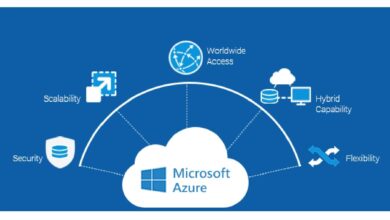
Welcome to the world of cloud computing mastery! If you’re diving into Microsoft Azure, the Azure Portal is your command center—a powerful, intuitive gateway to managing cloud resources with ease and precision.





What Is the Azure Portal and Why It Matters

The Azure Portal is Microsoft’s web-based interface for managing cloud services and resources across the Azure ecosystem. Whether you’re deploying virtual machines, configuring networks, or monitoring applications, the Azure Portal serves as the central hub for all your cloud operations. It’s designed to be user-friendly while offering deep functionality for both beginners and advanced users.
Definition and Core Purpose
The Azure Portal, officially known as the Azure portal, is a unified console that allows users to create, configure, manage, and monitor all Azure resources from a single location. It eliminates the need for multiple tools by integrating services like compute, storage, networking, security, and analytics into one cohesive environment.
- Provides a graphical user interface (GUI) for interacting with Azure services.
- Supports role-based access control (RBAC), enabling secure collaboration.
- Offers real-time monitoring and alerts through integrated dashboards.
Evolution of the Azure Portal
Originally launched in 2014, the Azure Portal replaced the older Azure Management Portal (also known as the ‘classic’ portal). Since then, it has undergone continuous improvements, including performance enhancements, UI redesigns, and deeper integration with DevOps tools.
One major milestone was the introduction of the Azure Resource Manager (ARM) model, which allowed for declarative deployment templates and better resource grouping. This shift empowered teams to manage infrastructure as code (IaC), significantly improving scalability and repeatability.
“The Azure Portal isn’t just a dashboard—it’s a full-fledged cloud operating system.” — Microsoft Cloud Architect, 2023
Key Features That Make Azure Portal Powerful
The Azure Portal stands out due to its rich feature set that caters to developers, IT professionals, and business decision-makers alike. From customizable dashboards to built-in AI-driven insights, the platform offers tools that streamline cloud management.
Customizable Dashboards and Blading Interface
One of the most praised aspects of the Azure Portal is its blading interface—a design pattern where panels (or ‘blades’) slide in from the right side of the screen, allowing users to navigate deeply without losing context.
- Users can pin frequently used resources, metrics, and charts to personalized dashboards.
- Dashboards support multiple tiles showing live data such as CPU usage, network traffic, or cost trends.
- Role-specific dashboards can be shared across teams for consistent visibility.
This modular approach enhances productivity by reducing navigation time and keeping critical information front and center.
Integrated Search and Resource Filtering
Finding specific resources in a large Azure environment can be challenging. The Azure Portal addresses this with a robust global search bar located at the top of the interface.
- Search supports filtering by resource type, region, subscription, and tags.
- Auto-suggestions help users quickly locate services like ‘Virtual Machines’ or ‘Azure SQL Database’.
- Recent resources are tracked for faster access.
Additionally, the ‘All Services’ menu organizes over 200 Azure offerings into logical categories—from AI + Machine Learning to Web + Mobile—making discovery easier for new users.
Navigating the Azure Portal Interface Like a Pro
Becoming proficient in the Azure Portal starts with understanding its layout and navigation mechanics. Once you grasp the core structure, managing complex environments becomes significantly more efficient.
Understanding the Left Navigation Menu
The left-hand navigation pane is the backbone of the Azure Portal. It provides quick access to key sections such as:
- Dashboard: Your personalized home screen.
- Resource groups: Logical containers for organizing related resources.
- Subscriptions: Management boundaries for billing and access control.
- Cost Management + Billing: Tools to track spending and optimize cloud costs.
- Help + Support: Access to documentation, support tickets, and health advisories.
You can collapse or expand this menu based on screen space, and even customize which items appear at the top for faster access.
Using the Top Toolbar Effectively
The top toolbar contains essential functions that apply globally across the portal:
- Search bar: As mentioned earlier, this is your gateway to any resource.
- Notifications: Real-time alerts about deployments, system updates, or security events.
- Settings: Customize theme (light/dark mode), language, and accessibility options.
- Subscription selector: Switch between multiple Azure subscriptions if you have access to more than one.
Mastering these elements ensures you never miss critical updates and can adapt the interface to your workflow preferences.
Managing Resources with the Azure Portal
At the heart of the Azure Portal is resource management. Whether you’re provisioning a simple storage account or orchestrating a multi-tier application, the portal simplifies the process through guided workflows and visual feedback.
Creating and Deploying Resources
To create a new resource, click the ‘+ Create a resource’ button on the dashboard. This opens the Azure Marketplace—a curated catalog of services ranging from pre-configured VM images to third-party SaaS solutions.
- Each service includes a setup wizard with configurable parameters (e.g., size, location, authentication).
- Many deployments offer ‘Quick Create’ options for default configurations.
- Advanced users can switch to ‘Automation options’ to view ARM templates generated during setup.
For example, deploying an Azure Virtual Machine involves selecting an image (like Windows Server or Ubuntu), choosing a size (e.g., Standard_B2s), configuring networking, and setting up admin credentials—all through a step-by-step interface.
Organizing with Resource Groups
Resource groups are fundamental to effective Azure management. They allow you to group related resources (e.g., a web app, its database, and associated network) so they can be managed collectively.
- Resources within a group can be deleted together, making cleanup easier.
- Access policies and budgets can be applied at the resource group level.
- Tags can be assigned to groups for cost tracking or compliance reporting.
Best practice suggests creating separate resource groups for different environments (dev, test, production) and projects to maintain clarity and control.
Monitoring and Security in the Azure Portal
No cloud environment is complete without robust monitoring and security controls. The Azure Portal integrates several native tools to help you maintain visibility and protect your assets.
Azure Monitor: Real-Time Insights at Your Fingertips
Azure Monitor is the central service for collecting, analyzing, and acting on telemetry data from both Azure and on-premises environments.
- Tracks metrics like CPU usage, disk I/O, and HTTP response times.
- Supports custom log queries using Kusto Query Language (KQL).
- Enables proactive alerting when thresholds are breached.
From the Azure Portal, you can access dashboards showing live performance graphs, set up alert rules, and drill down into logs to troubleshoot issues—making it indispensable for DevOps and operations teams.
Azure Security Center and Defender Integration
Security is not an afterthought in Azure. The portal includes Microsoft Defender for Cloud (formerly Azure Security Center), which provides unified security management and advanced threat protection.
- Offers a security score to measure your environment’s posture.
- Recommends actions to reduce vulnerabilities (e.g., enabling disk encryption).
- Provides threat detection for compute, storage, SQL, and hybrid workloads.
Through the Azure Portal, administrators can view security recommendations, investigate potential threats, and enforce policies across subscriptions—ensuring compliance with standards like ISO 27001 or HIPAA.
Automation and Scripting via Azure Portal
While the GUI is powerful, true efficiency comes from automation. The Azure Portal supports scripting and automation workflows that reduce manual effort and increase consistency.
Using Azure Resource Manager (ARM) Templates
ARM templates are JSON-based files that define the infrastructure and configuration of your Azure resources. They enable repeatable, version-controlled deployments.
- You can export ARM templates directly from existing resources in the Azure Portal.
- Templates can be deployed through the portal, CLI, or PowerShell.
- Supports parameters, variables, and conditions for flexible configurations.
For example, after manually setting up a development environment, you can export its configuration as a template and reuse it for staging or production—ensuring parity across environments.
Accessing Azure Cloud Shell
The Azure Portal includes Azure Cloud Shell, a browser-accessible shell for managing Azure resources using Bash or PowerShell.
- No installation required—runs directly in the portal.
- Persistent storage via an attached Azure file share.
- Pre-installed tools like Azure CLI, Terraform, and Git.
Cloud Shell is ideal for running quick commands, automating tasks with scripts, or troubleshooting issues without leaving the browser.
Cost Management and Optimization Tools
Cloud spending can spiral out of control without proper oversight. The Azure Portal includes comprehensive tools to monitor, analyze, and optimize your cloud costs.
Understanding the Cost Management Dashboard
The Cost Management + Billing section provides detailed insights into your Azure expenditure.
- Visualize spending by service, resource group, or tag.
- Compare current vs. previous month costs.
- Set budget thresholds with email or webhook notifications.
For organizations with multiple departments, cost allocation tags help attribute spending to specific teams or projects, promoting accountability.
Right-Sizing and Reserved Instances
One of the most effective ways to reduce costs is through right-sizing—matching resource capacity to actual workload demands.
- Azure Advisor, accessible in the portal, recommends downsizing underutilized VMs.
- Purchasing Reserved Virtual Machine Instances can save up to 72% compared to pay-as-you-go pricing.
- Spot VMs offer deeply discounted rates for interruptible workloads.
These tools, combined with usage reports, empower financial and technical teams to make data-driven decisions about resource allocation.
Best Practices for Using the Azure Portal Efficiently
To get the most out of the Azure Portal, it’s important to follow proven best practices that enhance security, efficiency, and collaboration.
Implement Role-Based Access Control (RBAC)
Rather than giving everyone full access, use RBAC to assign permissions based on job responsibilities.
- Use built-in roles like ‘Reader’, ‘Contributor’, and ‘Owner’ appropriately.
- Create custom roles for specialized access needs.
- Regularly audit access with Azure AD Privileged Identity Management (PIM).
This minimizes the risk of accidental deletions or unauthorized changes.
Leverage Tags for Organization and Governance
Tags are key-value pairs that you can attach to resources for better organization.
- Use tags for environment (dev, prod), department, project, or cost center.
- Combine tags with Azure Policy to enforce naming conventions or shutdown schedules.
- Export tagged resources for audit or compliance reporting.
Effective tagging transforms chaos into order, especially in large-scale deployments.
What is the Azure Portal?
The Azure Portal is Microsoft’s web-based interface for managing Azure cloud services. It provides a centralized dashboard to create, configure, monitor, and secure Azure resources like virtual machines, databases, and networks.
How do I access the Azure Portal?
You can access the Azure Portal by visiting portal.azure.com and signing in with your Microsoft or Azure Active Directory account.
Is the Azure Portal free to use?
Yes, the Azure Portal interface itself is free. However, the resources you create and manage within it (like VMs or storage) incur charges based on usage.
Can I automate tasks in the Azure Portal?
Absolutely. The Azure Portal supports automation through ARM templates, Azure CLI, PowerShell, and integration with Azure DevOps and Logic Apps.
What is the difference between Azure Portal and Azure CLI?
The Azure Portal is a graphical interface, while Azure CLI is a command-line tool. Both can manage Azure resources, but the portal is more visual and user-friendly, whereas CLI is better suited for scripting and automation.
The Azure Portal is far more than just a management console—it’s a comprehensive ecosystem that empowers organizations to harness the full potential of the cloud. From intuitive navigation and powerful monitoring tools to cost optimization and automation capabilities, mastering the Azure Portal is essential for anyone working with Microsoft Azure. By leveraging its features effectively, you can improve operational efficiency, enhance security, and drive innovation across your IT landscape. Whether you’re a beginner or an experienced cloud engineer, continuous learning and best practice adoption will ensure you stay ahead in the evolving world of cloud computing.
Further Reading: