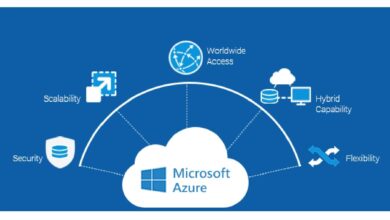
MS Azure is transforming how businesses operate in the digital age. With unmatched scalability, security, and innovation, it’s no wonder enterprises worldwide are making the switch to this dynamic cloud ecosystem.





What Is MS Azure and Why It Matters

Microsoft Azure, commonly referred to as MS Azure, is a comprehensive cloud computing platform developed by Microsoft. Launched in 2010, it has rapidly evolved into one of the top three cloud service providers globally, competing directly with Amazon Web Services (AWS) and Google Cloud Platform (GCP). MS Azure offers over 200 services, including computing, analytics, storage, networking, and machine learning, enabling organizations to build, deploy, and manage applications across a vast global network of data centers.
Core Components of MS Azure
MS Azure is built on a modular architecture that allows users to pick and choose services based on their needs. The platform is divided into several key categories: compute, networking, storage, databases, AI and machine learning, IoT, and security. Each of these components is designed to work seamlessly together, offering a cohesive environment for developers and IT professionals.
- Compute: Includes virtual machines, containers, serverless computing (Azure Functions), and batch processing.
- Networking: Offers virtual networks, load balancers, content delivery networks (CDN), and DNS management.
- Storage: Provides blob, file, disk, and archive storage with high durability and availability.
These services are accessible via the Azure Portal, Azure CLI, PowerShell, or directly through APIs, giving developers maximum flexibility in how they interact with the platform.
Global Infrastructure and Data Centers
One of the defining strengths of MS Azure is its global reach. As of 2024, Azure operates in 66+ regions worldwide, more than any other cloud provider. This extensive footprint ensures low latency, high availability, and compliance with local data sovereignty laws. Each region consists of one or more data centers connected through high-speed networks, ensuring redundancy and fault tolerance.
“Azure’s global infrastructure enables businesses to deploy applications closer to their users, improving performance and reducing latency.” — Microsoft Azure Official Documentation
This global presence is particularly beneficial for multinational corporations that need to maintain data within specific geographic boundaries due to regulatory requirements like GDPR in Europe or HIPAA in the U.S.
Key Benefits of Using MS Azure
Organizations adopt MS Azure for a variety of strategic reasons. From cost efficiency to innovation acceleration, the platform delivers tangible benefits that align with modern business goals. Whether you’re a startup or a Fortune 500 company, MS Azure offers tools and services that can scale with your ambitions.
Scalability and Flexibility
MS Azure allows businesses to scale resources up or down based on demand. This elasticity is crucial for handling traffic spikes, such as during product launches or seasonal sales. For example, an e-commerce site can automatically scale its web servers during Black Friday and scale back afterward, optimizing costs.
- Auto-scaling features adjust compute power in real-time.
- Pay-as-you-go pricing ensures you only pay for what you use.
- Support for hybrid environments enables integration between on-premises and cloud infrastructure.
This flexibility makes MS Azure ideal for both predictable workloads and unpredictable growth patterns.
Cost Efficiency and Pricing Models
One of the biggest concerns for businesses moving to the cloud is cost control. MS Azure addresses this with transparent pricing and multiple cost-saving options. The Azure Pricing Calculator allows users to estimate costs before deployment, helping with budget planning.
Azure offers several pricing models:
- Pay-as-you-go: Ideal for startups and variable workloads.
- Reserved Instances: Up to 72% savings for long-term commitments.
- Spot VMs: Leverage unused capacity at up to 90% discount for non-critical tasks.
Additionally, Azure Hybrid Benefit allows organizations to use existing Windows Server and SQL Server licenses with Software Assurance, reducing cloud migration costs significantly.
MS Azure vs. Other Cloud Platforms
While AWS was the first to market, MS Azure has gained significant ground by leveraging Microsoft’s enterprise relationships and integrated ecosystem. Understanding how MS Azure compares to AWS and Google Cloud helps organizations make informed decisions.
Feature Comparison: Azure vs AWS vs GCP
Each cloud provider has its strengths. AWS leads in market share and service breadth, GCP excels in data analytics and AI, while MS Azure stands out in hybrid cloud and enterprise integration.
- Hybrid Cloud: Azure Stack and Azure Arc enable seamless management of on-premises and multi-cloud environments.
- Enterprise Integration: Native integration with Microsoft 365, Active Directory, and Dynamics 365 gives Azure an edge in corporate environments.
- AI and Machine Learning: Azure Machine Learning and Cognitive Services offer robust tools for developers.
For organizations already using Microsoft products, MS Azure provides a smoother transition and tighter integration.
Market Share and Industry Adoption
According to Synergy Research Group (2024), AWS holds about 32% of the cloud infrastructure market, followed by Microsoft Azure at 23%, and Google Cloud at 10%. However, Azure is growing faster in the enterprise sector, particularly in industries like finance, healthcare, and government.
Microsoft’s strong partnerships with large enterprises and its focus on compliance and security have driven adoption in regulated industries. For example, the U.S. Department of Defense selected Azure as part of its Joint Enterprise Defense Infrastructure (JEDI) contract, highlighting its trustworthiness and scalability.
“Azure is not just catching up—it’s redefining the cloud with innovation in AI, hybrid, and edge computing.” — TechCrunch, 2024
Core Services Offered by MS Azure
MS Azure provides a vast array of services across multiple domains. Understanding the core offerings helps organizations leverage the platform effectively.
Compute Services: Virtual Machines and Containers
Azure Virtual Machines (VMs) allow users to run Windows or Linux environments in the cloud. These VMs can be customized with various CPU, memory, and storage configurations to suit different workloads.
- Support for GPU-intensive applications like AI training and video rendering.
- Integration with Azure Kubernetes Service (AKS) for container orchestration.
- Quick deployment via pre-configured images from the Azure Marketplace.
Azure also supports serverless computing through Azure Functions, which executes code in response to events without requiring server management.
Storage and Database Solutions
MS Azure offers multiple storage options tailored to different use cases:
- Azure Blob Storage: Ideal for unstructured data like images, videos, and backups.
- Azure Files: Fully managed file shares accessible via SMB or NFS.
- Azure Disk Storage: High-performance block storage for VMs.
For databases, Azure provides both relational and non-relational options:
- Azure SQL Database: A fully managed PaaS version of SQL Server.
- Azure Cosmos DB: A globally distributed, multi-model database service with single-digit millisecond latency.
- Azure Database for MySQL/PostgreSQL: Managed open-source database services.
These services include built-in high availability, automatic backups, and point-in-time restore capabilities.
Security and Compliance in MS Azure
Security is a top priority for any cloud platform, and MS Azure invests heavily in protecting customer data. The platform provides a multi-layered security approach that covers physical, network, and application levels.
Built-in Security Features
MS Azure includes a suite of security tools under Azure Security Center (now part of Microsoft Defender for Cloud). This service provides unified security management and advanced threat protection across hybrid cloud workloads.
- Continuous vulnerability assessment and security recommendations.
- Threat detection using AI and behavioral analytics.
- Integration with Azure Sentinel, a cloud-native SIEM (Security Information and Event Management) solution.
Azure also supports multi-factor authentication (MFA), conditional access policies, and identity protection through Azure Active Directory (AAD).
Compliance and Certifications
MS Azure complies with a wide range of international and industry-specific standards, making it suitable for regulated industries. Some key certifications include:
- GDPR (General Data Protection Regulation)
- HIPAA (Health Insurance Portability and Accountability Act)
- ISO/IEC 27001, 27017, 27018
- SOC 1, SOC 2, SOC 3
- PCI DSS (Payment Card Industry Data Security Standard)
Microsoft publishes a comprehensive compliance documentation portal where customers can verify adherence to specific regulations.
“Azure meets more compliance standards than any other cloud provider, giving organizations confidence in their data governance.” — Microsoft Trust Center
Innovation and Emerging Technologies in MS Azure
MS Azure is not just about infrastructure—it’s a platform for innovation. Microsoft is investing heavily in cutting-edge technologies that empower businesses to stay ahead of the curve.
Artificial Intelligence and Machine Learning
Azure AI offers a suite of tools and services that make AI accessible to developers and data scientists. Azure Machine Learning provides a fully managed environment for building, training, and deploying machine learning models.
- Pre-built AI models for vision, speech, language, and decision-making.
- AutoML capabilities to automate model selection and hyperparameter tuning.
- Integration with popular frameworks like TensorFlow, PyTorch, and scikit-learn.
Companies like BMW and Starbucks use Azure AI to enhance customer experiences and optimize operations.
Internet of Things (IoT) and Edge Computing
Azure IoT Hub is a managed service that connects, monitors, and manages billions of IoT devices. It supports secure communication between devices and the cloud, enabling real-time data collection and analysis.
- Azure IoT Edge allows AI and analytics to run directly on devices at the edge.
- Integration with Azure Digital Twins for creating virtual representations of physical environments.
- Support for protocols like MQTT, AMQP, and HTTPS.
For example, Rolls-Royce uses Azure IoT to monitor jet engines in real time, predicting maintenance needs and reducing downtime.
Getting Started with MS Azure
Starting with MS Azure is easier than ever. Microsoft provides extensive resources, free tiers, and hands-on labs to help new users get up to speed quickly.
Creating an Azure Account and Free Tier
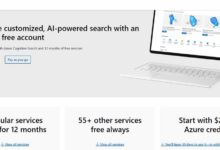
New users can sign up for an Azure free account, which includes $200 in credits for 30 days and access to over 55 services for 12 months. This allows experimentation without financial risk.
- Free services include Azure App Service, Azure Functions, and Azure Cosmos DB.
- Access to learning paths and tutorials via Microsoft Learn.
- No upfront cost or credit card required for some free offers.
This makes MS Azure an ideal platform for students, developers, and small businesses exploring cloud computing.
Essential Tools and Learning Resources
Microsoft offers a rich ecosystem of tools and documentation to support Azure users:
- Azure Portal: Web-based interface for managing resources.
- Azure CLI and PowerShell: Command-line tools for automation.
- Visual Studio and VS Code: Integrated development environments with Azure extensions.
- Microsoft Learn: Free, interactive modules on Azure fundamentals, security, AI, and more.
Additionally, the official Azure documentation is one of the most comprehensive and well-organized in the industry.
Real-World Use Cases of MS Azure
MS Azure is used across industries to solve real business challenges. From disaster recovery to digital transformation, the platform enables innovation at scale.
Enterprise Digital Transformation
Many large enterprises use MS Azure to modernize legacy systems. For example, General Electric (GE) migrated its industrial applications to Azure to improve scalability and reduce maintenance costs. By leveraging Azure’s PaaS offerings, GE was able to focus on innovation rather than infrastructure management.
- Migration of on-premises ERP and CRM systems to the cloud.
- Use of Azure DevOps for continuous integration and delivery (CI/CD).
- Adoption of microservices architecture using Azure Kubernetes Service.
This shift enables faster time-to-market and greater agility in responding to market changes.
Disaster Recovery and Business Continuity
Azure Site Recovery (ASR) is a critical service that ensures business continuity by replicating on-premises virtual machines to Azure. In the event of a disaster, systems can be failover to the cloud with minimal downtime.
- Automated replication with near-zero data loss.
- Non-disruptive disaster recovery drills.
- Support for VMware, Hyper-V, and physical servers.
Organizations like the UK’s National Health Service (NHS) rely on Azure for mission-critical disaster recovery planning.
What is MS Azure?
MS Azure is Microsoft’s cloud computing platform that provides a wide range of services including computing, storage, networking, AI, and analytics. It enables businesses to build, deploy, and manage applications on a global scale.
How does MS Azure pricing work?
MS Azure uses a pay-as-you-go model, where you only pay for the resources you use. It also offers reserved instances for long-term savings and free tiers for new users. Detailed pricing can be calculated using the Azure Pricing Calculator.
Is MS Azure secure?
Yes, MS Azure is highly secure, offering built-in threat protection, encryption, identity management, and compliance with over 100 international standards. Microsoft invests over $1 billion annually in cybersecurity research and development.
Can I use MS Azure for AI and machine learning?
Absolutely. MS Azure provides powerful AI and machine learning tools like Azure Machine Learning, Cognitive Services, and Azure AI services that enable developers to build intelligent applications without deep expertise in data science.
How do I start learning MS Azure?
You can start with the free Azure account, explore Microsoft Learn’s interactive modules, and use hands-on labs. There are also numerous certifications like Azure Fundamentals (AZ-900) to validate your skills.
MS Azure has firmly established itself as a leader in the cloud computing space. Its combination of global infrastructure, enterprise-grade security, hybrid capabilities, and innovation in AI and IoT makes it a powerful choice for organizations of all sizes. Whether you’re migrating legacy systems, building modern applications, or exploring AI, MS Azure provides the tools and support needed to succeed in the digital era. With continuous investment in new technologies and a commitment to customer success, MS Azure is not just a cloud platform—it’s a catalyst for transformation.
Further Reading: