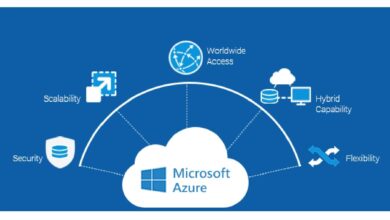
Want to sign in to Azure quickly and securely? Whether you’re a developer, IT admin, or cloud newbie, mastering the login process is your first step into Microsoft’s powerful cloud ecosystem. Let’s make it simple, fast, and foolproof.





Sign In to Azure: The Complete Beginner’s Guide

Signing in to Azure might seem straightforward, but understanding the full scope ensures you avoid common pitfalls. Whether you’re accessing the Azure portal, using command-line tools, or integrating with third-party apps, knowing how to authenticate properly is crucial. The process starts at portal.azure.com, Microsoft’s official gateway to cloud services.
What Is Azure and Why Sign In?
Azure is Microsoft’s cloud computing platform, offering over 200 services including virtual machines, databases, AI tools, and DevOps solutions. To use any of these, you must first sign in to azure. Authentication verifies your identity and grants access based on assigned roles and permissions.
- Azure supports individuals, enterprises, and government organizations.
- Signing in unlocks personalized dashboards, resource management, and billing insights.
- Every action in Azure starts with a successful login.
Prerequisites Before You Sign In
Before attempting to sign in, ensure you have the following:
- A valid Microsoft account (MSA) or a work/school account (Azure Active Directory).
- Internet connectivity and a modern browser (Chrome, Edge, Firefox, or Safari).
- If using multi-factor authentication (MFA), have your phone or authenticator app ready.
“Authentication is the gatekeeper of cloud security. A strong sign-in process protects your data and infrastructure.” — Microsoft Security Best Practices
Step-by-Step: How to Sign In to Azure Portal
The most common way to access Azure is through the web-based portal. Here’s a detailed walkthrough to help you sign in to azure without confusion.
Navigate to the Azure Sign-In Page
Open your browser and go to https://portal.azure.com. This is the official entry point. Avoid third-party links to prevent phishing risks.
- Bookmark this URL for future use.
- Ensure the site uses HTTPS and displays a padlock icon.
Enter Your Credentials
Type your email address (associated with your Microsoft or organizational account). Click “Next.” Then, enter your password. If you’re using a work or school account, you may be redirected to your organization’s login page.
- Use an email linked to an active Azure subscription.
- Forgot your password? Click “Forgot password?” to reset it via email or phone.
Complete Multi-Factor Authentication (If Enabled)
MFA adds a second layer of security. After entering your password, you’ll be prompted to verify via:
- Microsoft Authenticator app notification or code.
- Text message (SMS) with a one-time passcode.
- Phone call verification.
- Security key (e.g., YubiKey).
Once verified, you’ll be redirected to the Azure dashboard.
Common Issues When Trying to Sign In to Azure
Even experienced users face login problems. Understanding these issues helps you troubleshoot faster and maintain productivity.
Incorrect Credentials or Forgotten Password
This is the most frequent issue. Double-check your email and password. Use the “Show password” option to verify accuracy. If locked out:
- Click “Forgot password?” and follow the recovery steps.
- For work accounts, contact your IT administrator.
- Ensure Caps Lock is off and keyboard layout is correct.
Account Locked or Suspended
Repeated failed attempts can temporarily lock your account. Wait 15–30 minutes before retrying. If your subscription is expired or suspended:
- Check your billing status in the Azure portal.
- Upgrade your subscription if using a free trial that ended.
- Contact Azure support for reactivation.
MFA Setup or Device Trust Issues
If MFA isn’t set up or your device isn’t trusted, you may face repeated prompts. To resolve:
- Register your device via the Microsoft Authenticator app.
- Mark your device as trusted during login (if prompted).
- Ensure date/time settings are correct—incorrect time can break token validation.
“Over 99.9% of account compromises can be prevented with multi-factor authentication.” — Microsoft Digital Defense Report
Sign In to Azure Using Different Account Types
Not all logins are the same. Azure supports multiple account types, each with different access levels and use cases. Knowing which one to use is key when you sign in to azure.
Microsoft Personal Account (MSA)
This is your personal Outlook.com, Hotmail, or Live email. Ideal for individual developers or students using free Azure credits.
- Can be used to create a free Azure account with $200 credit.
- Limited administrative capabilities compared to work accounts.
- Best for learning, testing, and small projects.
Work or School Account (Azure AD)
Used by organizations. Managed by IT admins through Azure Active Directory (Azure AD). Offers role-based access control (RBAC).
- Enables single sign-on (SSO) across enterprise apps.
- Supports conditional access policies (e.g., block login from untrusted locations).
- Required for accessing company resources and production environments.
Guest User Accounts (B2B Collaboration)
External users invited to collaborate. Common in partner projects or consulting roles.
- Sign in using their own organizational credentials.
- Access is limited to specific resources and roles.
- Admins can revoke access anytime.
Advanced Methods to Sign In to Azure
Beyond the portal, Azure offers powerful alternative login methods for automation, scripting, and secure access.
Using Azure CLI (Command-Line Interface)
Azure CLI allows you to manage resources via terminal. To sign in:
- Install Azure CLI from Microsoft’s official site.
- Run
az loginin your terminal. - A browser window opens; complete the login process there.
For service principals or automation, use az login --service-principal with credentials.
Using Azure PowerShell
PowerShell is ideal for Windows administrators and automation scripts.
- Install the
Azmodule usingInstall-Module -Name Az. - Run
Connect-AzAccountto start the login flow. - Enter credentials in the pop-up window.
For non-interactive scripts, use service principal authentication with certificates or secrets.
Programmatic Access with Service Principals
Service principals are Azure AD identities for apps, services, or automation tools.
- Create a service principal via Azure portal or CLI.
- Assign roles (e.g., Contributor, Reader) to define permissions.
- Use client ID, tenant ID, and secret/certificate to authenticate apps.
“Service principals enable secure, automated access without human intervention.” — Azure Identity Documentation
Security Best Practices When You Sign In to Azure
Every login is a potential security vector. Follow these best practices to protect your cloud environment when you sign in to azure.
Enable Multi-Factor Authentication (MFA)
MFA is the single most effective way to prevent unauthorized access.
- Require MFA for all users, especially admins.
- Use the Microsoft Authenticator app instead of SMS for better security.
- Set up emergency access accounts with MFA bypass (used only in crises).
Use Conditional Access Policies
Conditional Access (CA) lets you control login conditions based on user, device, location, and risk level.
- Block sign-ins from high-risk countries or untrusted IPs.
- Require compliant devices (e.g., encrypted, updated OS).
- Enforce MFA for sensitive operations like deleting resources.
Monitor Sign-In Activity Regularly
Azure AD provides detailed sign-in logs in the Azure portal.
- Review logs under Azure Active Directory > Monitoring > Sign-in logs.
- Look for failed attempts, unfamiliar locations, or unusual timestamps.
- Set up alerts for suspicious activities using Azure Monitor or Microsoft Defender for Cloud.
Single Sign-On (SSO) and Federated Identity in Azure
For enterprises, managing multiple passwords is inefficient. Azure supports SSO and federated identity to streamline access.
What Is Single Sign-On (SSO)?
SSO allows users to log in once and access multiple applications without re-entering credentials.
- Integrated with Azure AD, Office 365, and thousands of SaaS apps.
- Reduces password fatigue and phishing risks.
- Users sign in to azure once and gain access to all authorized services.
Federated Identity with AD FS or SAML
Federation connects your on-premises identity system (like Active Directory) with Azure AD.
- Use AD FS (Active Directory Federation Services) for hybrid environments.
- SAML 2.0 or OpenID Connect protocols enable secure token exchange.
- Users authenticate locally; Azure trusts the assertion.
Using Identity Providers Like Google or Facebook
Azure AD B2C supports social identity providers for customer-facing apps.
- Allow users to sign in with Google, Facebook, or Apple accounts.
- Useful for e-commerce, portals, or public services.
- Reduces registration friction while maintaining security.
Troubleshooting and Recovery: Regaining Access to Azure
Even with precautions, access issues happen. Here’s how to recover when you can’t sign in to azure.
Recover a Locked or Compromised Account
If you suspect your account is compromised:
- Immediately sign out from all devices via Azure AD > Security > Sign-in activity.
- Reset your password and re-enable MFA.
- Review recent activities for unauthorized changes.
Restore Access as a Global Admin
If all admins are locked out, use the Azure AD emergency access account (break-glass account).
- This account should have minimal permissions and be secured offline.
- Store credentials in a secure vault (e.g., Azure Key Vault).
- Never use it for daily tasks to avoid exposure.
Contact Azure Support for Help
For persistent issues, contact Microsoft Azure Support.
- Premium and Standard support plans include 24/7 access.
- Free account users can submit inquiries via the Azure portal.
- Provide tenant ID, user ID, and error screenshots for faster resolution.
“Having a break-glass account is not optional—it’s a critical part of cloud resilience.” — Microsoft Azure Architecture Center
How do I sign in to Azure if I forgot my password?
If you forgot your password, go to the Azure sign-in page and click “Forgot password?” Follow the prompts to reset it using your recovery email, phone number, or security questions. For work accounts, contact your organization’s IT administrator.
Can I sign in to Azure without MFA?
Yes, but it’s not recommended. MFA significantly improves security. Organizations can enforce MFA via Conditional Access policies. Personal accounts can enable it in security settings.
What should I do if I’m unable to sign in to Azure?
First, check your internet connection and credentials. Clear browser cache or try a different browser. If MFA is required, ensure your authenticator app or phone is working. If issues persist, use the password reset option or contact Azure support.
Is it safe to sign in to Azure on public computers?
No. Avoid signing in to Azure on public or shared computers. If necessary, always sign out completely and avoid saving credentials. Use private/incognito mode to reduce risk.
How can I manage multiple Azure subscriptions when I sign in?
After signing in, use the subscription filter in the Azure portal to switch between subscriptions. You can also set a default subscription in Azure CLI or PowerShell using az account set --subscription <subscription-id>.
Signing in to Azure is more than just entering a password—it’s the foundation of your cloud experience. From basic portal access to advanced automation and enterprise identity management, mastering the login process ensures security, efficiency, and control. Whether you’re a beginner or a pro, following best practices like enabling MFA, monitoring sign-ins, and preparing for emergencies will keep your Azure environment safe and accessible. Now that you know how to sign in to azure confidently, you’re ready to explore the full power of the cloud.
Further Reading: